
Exploring Gaps Between Design and School Realities
Role
Researcher
Timeline
2024-2025
Type
Master theisis
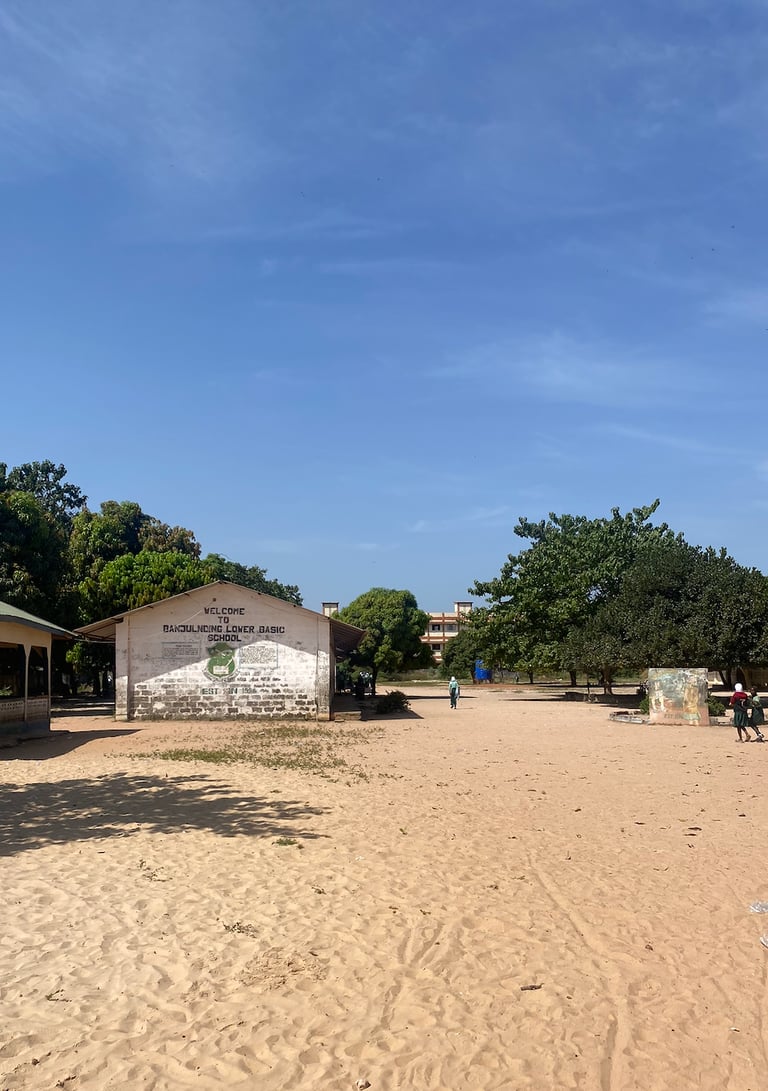
01 - Context
The project explored the implementation of a School Education Management Information System (SEMIS) pilot in Gambian schools. The system was introduced to support attendance registration and administrative routines, with the long-term goal of improving educational data management.
The research focused on understanding how the system aligned with existing school practices, infrastructure, and user needs during the pilot phase.
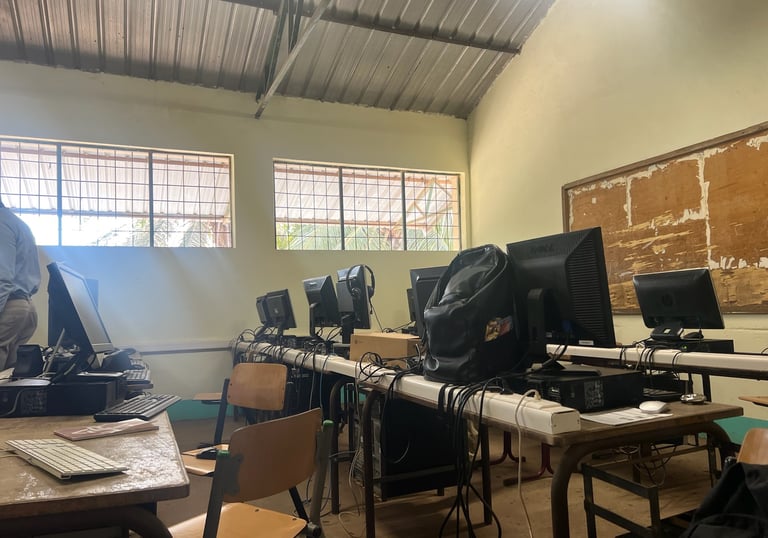
02 — Field Research
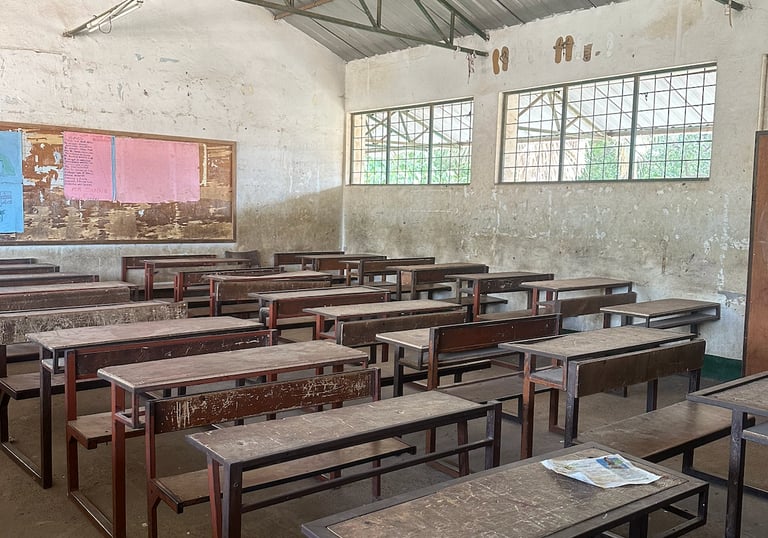
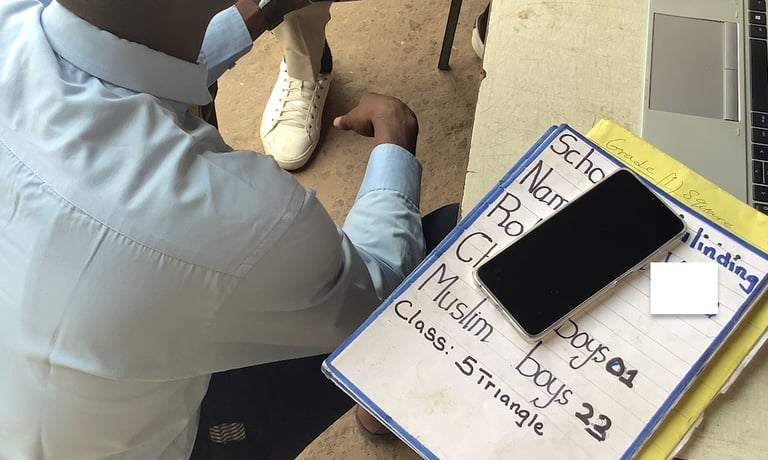
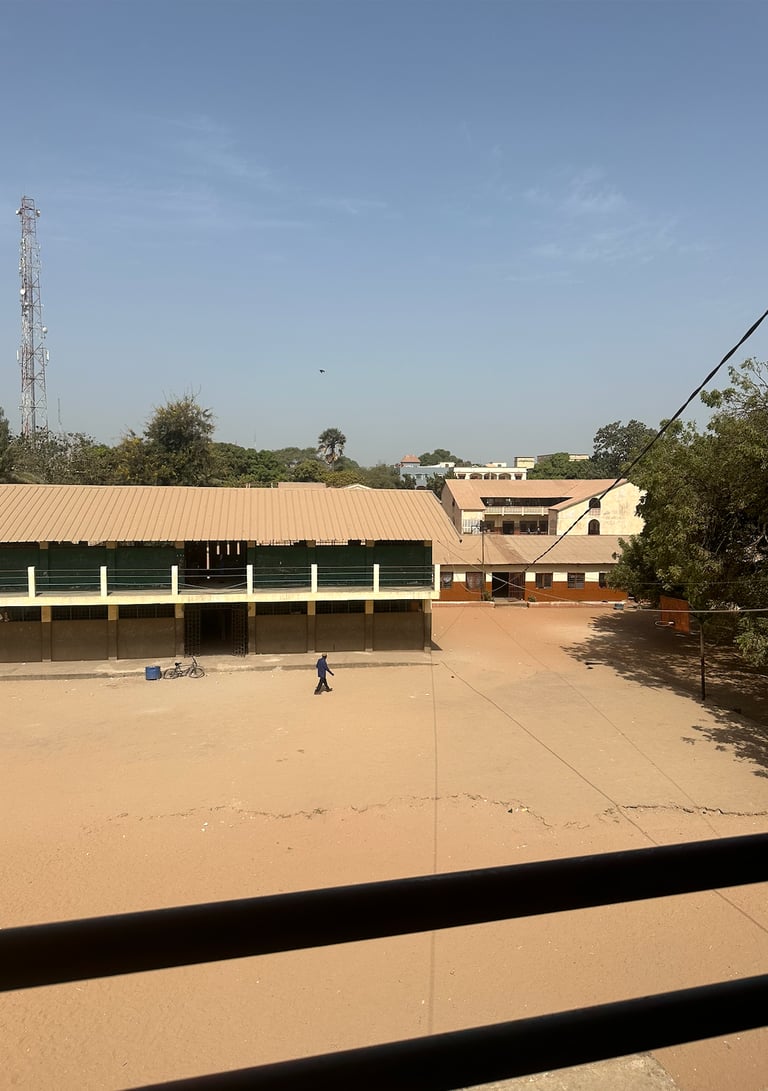
The research was conducted through fieldwork across urban and rural school environments in The Gambia.
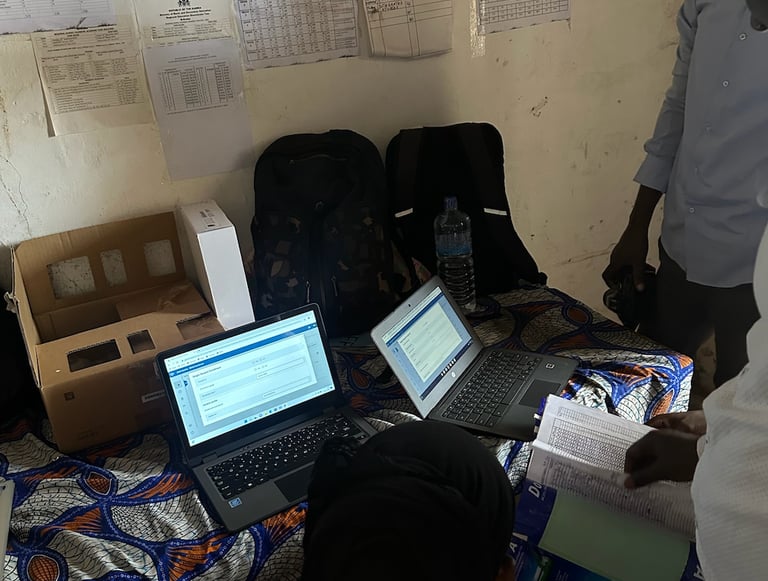
Using interviews, observations, and contextual inquiry, the project explored how teachers, administrators, and ministry stakeholders experienced the system in practice.
Responsibilities
Planning and conducting field research
Semi-structured interviews
Contextual observation
Data synthesis and thematic analysis
Framework mapping and insight development
Communicating findings and recommendations


03 - Understanding School Reality
Field observations and interviews revealed several gaps between how the system was intended to work and how schools operated in practice.
Infrastructure Shapes Usability
Limited internet access and inconsistent device availability affected how reliably the system could be used in everyday school routines.
Existing Workflows Persisted
Many schools continued using both manual and digital attendance systems simultaneously, creating duplicate work for teachers.
Learning Happened Informally
Digital skills varied significantly between users, and many relied on colleagues for support and troubleshooting.
Perceived Value Influenced Adoption
Teachers saw potential in the system, but limited visible outcomes reduced motivation and long-term engagement.
04 - Research Synthesis
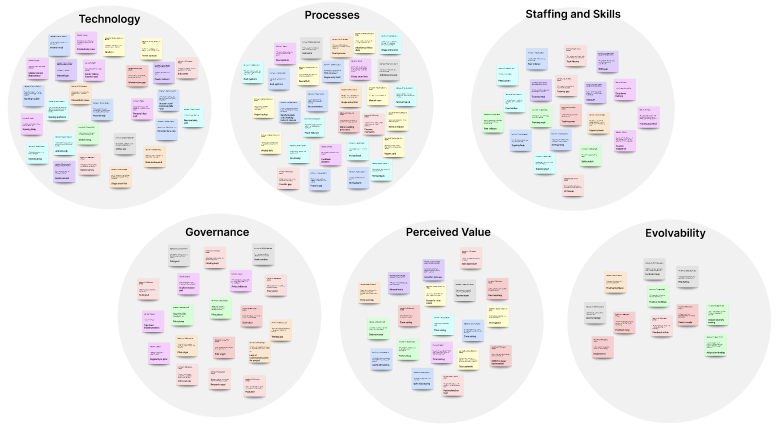
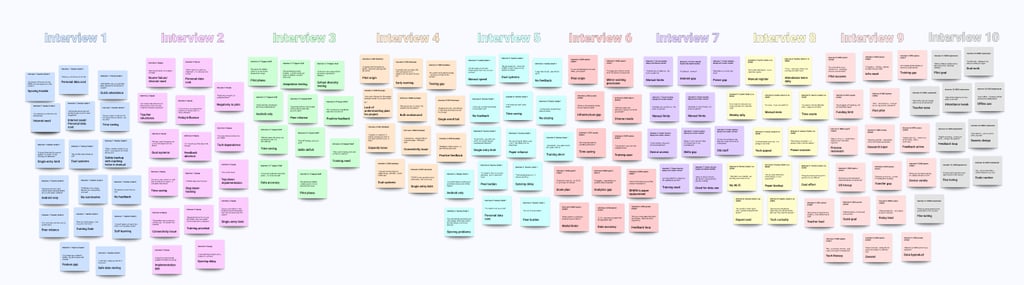
Findings were synthesized through thematic clustering and affinity mapping to identify recurring patterns across schools, stakeholders, and workflows.
The process helped reveal mismatches between system assumptions and everyday operational realities.
05 - Reflection
The project highlighted how digital systems are shaped not only by interface design, but also by infrastructure, organizational structures, routines, and local context.
It also reinforced the importance of field-based UX research when designing systems intended for complex real-world environments.
06 - Outcome
The project resulted in practical insights for improving how digital school systems are implemented and supported in real school environments.
Key insights:
implementation barriers
system adoption
organizational workflows
contextual design considerations
future development of educational technology systems
Contact
Phone
sarahamundsen00@gmail.com
+47 480 678 67